Simple Checks Before Calling AC Pro Mont Kiara
Key Takeaways
- Homeowners learn troubleshooting steps for common air conditioning problems, enabling them to address issues before calling a professional.
- This article highlights the need to check thermostat settings, electrical breakers, and air filters to maintain AC efficiency.
- Readers feel more capable of handling minor issues, saving time and money by avoiding unnecessary service calls.
Thermostat Settings and Battery Check
Start by checking your thermostat settings. This step can significantly affect how well your air conditioner works. Ensure the thermostat is ON and set to COOL mode; if it’s blank, you may need new batteries, usually AA. Replacing these is quick and inexpensive, often resolving issues immediately. Also, check that the temperature setting is at least five degrees below the current room temperature for optimal cooling.
Up:
Double-check any scheduled settings or overrides on your thermostat. Automatic schedules can accidentally turn off cooling when needed. If everything seems fine here and you’re still having problems, don’t worry just yet; there are more checks we can do before calling AC Pro Mont Kiara.
Battery changes aren’t always enough. Ensure all electrical breakers connected to your AC system are working properly. Find your electrical panel and look for any tripped breakers linked to both indoor and outdoor units, it’s common for one breaker to serve each part separately. If you see a tripped breaker, try resetting it once; frequent trips indicate deeper issues that require professional help.
Don’t underestimate how much small details matter in keeping an HVAC system running smoothly, taking these steps now helps prevent bigger problems later! These initial actions provide insight into potential issues while ensuring comfort remains steady in your home environment.
Electrical Breakers Inspection
After confirming your thermostat settings, check the electrical breakers for your air conditioning system. Locate your home’s electrical panel and look for any tripped breakers related to the indoor and outdoor units; these may be on separate circuits, so check them all. If a breaker is flipped, reset it once. If it trips again after resetting, there may be a more serious issue that requires professional help.
Additional Checks
Also, check any wall switches near your indoor unit or disconnect boxes by the outdoor condenser; ensure they are turned ON. Overlooking these steps can lead to frustration later. Monitoring these components helps maintain smooth AC operation and saves potential service call fees. By addressing these checks, you’ll have a clearer idea of what might be wrong while keeping comfort levels high in your living space.
The Pros & Cons of DIY AC Troubleshooting
Pros
-
You can fix common AC problems by doing some simple checks yourself, saving on service fees.
-
Quick inspections help technicians diagnose issues faster, which may cut down on repair time.
-
Homeowners get to know their systems better, encouraging them to keep up with maintenance.
-
Regular pre-service checks can help your air conditioning unit last longer.
Cons
-
Troubleshooting incorrectly can cause more damage, which might require expensive professional repairs.
-
There are safety risks from electrical parts and possible water leaks around the units.
-
Homeowners with limited knowledge might struggle to accurately identify complex problems.
-
Spending too much time on troubleshooting could delay getting the necessary help from professionals.
Air Filter Inspection and Replacement
check the air filter, this often-neglected part can greatly affect your AC’s performance. Remove the filter from its housing and hold it up to a light source. If it’s hard to see through or very dirty, replace it. A clean filter ensures proper airflow and efficiency; neglecting this task can lead to poor cooling and frozen coils. Where the equipment or property differs, filter airflow offers a practical comparison.
Check Your Vents
Also, pay attention to your vents! Inspect all supply vents in each room; ensure they’re fully open and not blocked by furniture or decor items like curtains or rugs. Blockages can reduce airflow, causing uneven temperatures and leaving some rooms stuffy while others remain cool.
Inspect Return Air Grilles
to these steps, check the return air grilles, they should be free from clutter for optimal circulation. Keeping filters and vents clean helps your system run smoothly and prevents unnecessary strain on parts that could lead to costly repairs.
By taking care of these routine checks today, you’re ensuring comfort tomorrow, helping you enjoy hot days ahead while avoiding unexpected service calls for small issues!
Outdoor Unit Condition Check
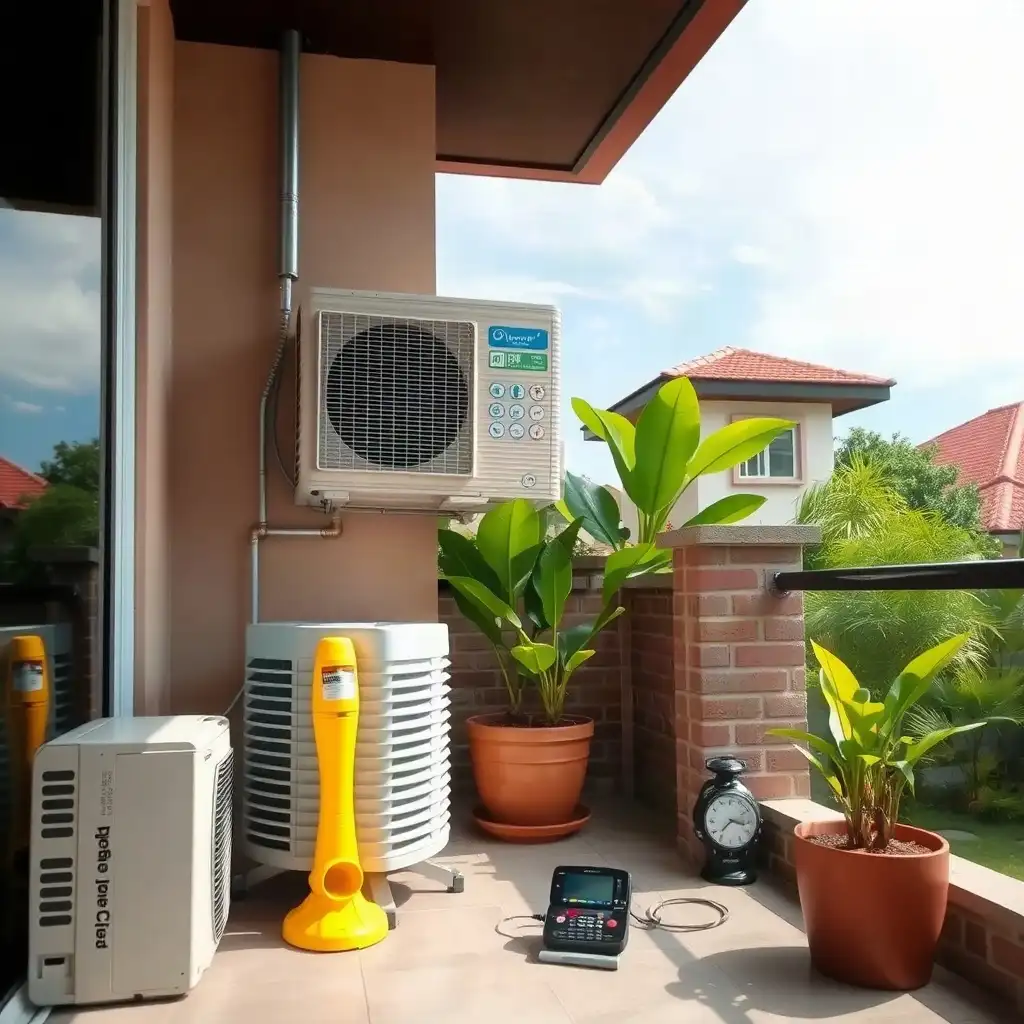
Your outdoor unit is crucial for your air conditioning system’s performance, so it’s important to give it attention. Start by checking the area around the condenser unit, remove any leaves, grass clippings, branches, or debris within a two-foot radius. This space is essential for proper airflow and heat release; without it, your AC may struggle to cool efficiently or overheat.
Observe how the fan on top of the outdoor unit behaves when cooling starts. When you adjust your thermostat to activate cooling mode, that fan should start spinning immediately. If it doesn’t move while everything else seems normal inside your home, it could indicate an issue with components like capacitors or motors that require professional repair.
Place your hand near the side of the outdoor unit and check for warm air blowing out. It’s normal for this air to be noticeably warmer than ambient temperatures if everything is working correctly, the compressor should be running during operation! If you don’t feel this warmth despite hearing fans running smoothly, there’s likely a compression problem needing technician help.
While inspecting these elements outside, keep safety in mind: never try to repair electrical components unless you’re trained. If you hear unusual noises like grinding or buzzing from either indoor or outdoor units, or smell burning, immediately turn off power at both thermostat and breaker panel before calling qualified professionals who can handle complex issues safely.
By taking a few moments now to assess your outdoor AC unit, you’re helping maintain its efficiency down the road. These proactive steps not only prevent potential breakdowns but also improve overall comfort levels in your living spaces as summer approaches.
Quick Fixes Before AC Pro Call
| Check Type | Description | Potential Issues | Suggested Actions | Cost Range (RM) | Contact Information |
|---|---|---|---|---|---|
| Thermostat Inspection | Ensure thermostat is ON and set to COOL mode. Replace dead batteries if the screen is blank. | Dead batteries, incorrect settings | Replace batteries, adjust temperature settings | N/A | AC Pro Mont Kiara: +60 17-873 0408 |
| Electrical Breakers/Switches | Inspect electrical panel for tripped breakers dedicated to the air conditioner. Verify wall switch and disconnect box are ON. | Tripped breaker, off switches | Reset breaker once; do not reset if it trips again | N/A | AC Pro Mont Kiara: +60 17-873 0408 |
| Air Filter & Vent Checks | Check air filter for clogs and ensure all supply vents are unobstructed. | Clogged filters, blocked vents | Replace filter immediately, clear vents | RM50 – RM150 | AC Pro Mont Kiara: +60 17-873 0408 |
| Outdoor Unit Inspection | Keep condenser unit clear of debris and check fan operation. Feel air blowing from the unit. | Debris blockage, fan or compressor failure | Clear debris, monitor fan and compressor performance | RM200 – RM600 (for repairs) | AC Pro Mont Kiara: +60 17-873 0408 |
| Signs of Water Leakage | Look for pooled water around the indoor unit. Blocked drainage lines can cause damage. | Blocked drainage, full condensate pans | Turn off power and consult a professional | N/A | AC Pro Mont Kiara: +60 17-873 0408 |
| Safety Rules | Turn off system if loud noises or burning smells occur. Avoid high-voltage repairs unless qualified. | Risk of fire or further damage | Shut off at thermostat and breaker | N/A | AC Pro Mont Kiara: +60 17-873 0408 |
| Common Repair Costs | Simple fixes like loose screws or dirty filters range from RM50 to RM150; capacitor or fan motor repairs cost RM200 to RM600; compressor issues may exceed RM1,500. | Varies based on issue | Early detection reduces repair costs | RM50 – RM150, RM200 – RM600, >RM1,500 | AC Pro Mont Kiara: +60 17-873 0408 |
Water Leakage Signs and Safety
Water pooling around your indoor AC unit is a serious problem. This may indicate blocked drainage lines or an overflowing condensate pan, both of which can cause significant water damage over time. Check under and around your unit for signs of moisture or puddles. If you notice anything unusual, turn off the power immediately and avoid electrical components until help arrives.
Safety First
When dealing with potential leaks, always prioritize safety! Water and electricity create serious hazards. If you hear gurgling sounds from the system while looking for leaks, shut everything down at the thermostat and breaker panel right away! These noises could indicate deeper issues requiring professional attention.
Address Leaks Quickly
Even small leaks should be fixed promptly to prevent bigger problems later. Catching these issues early protects your home and helps keep your HVAC system running efficiently as warmer months approach. If you’ve checked all visible areas for leakage but still find dampness, consult professionals to ensure every component works safely without causing further complications.
When to Call Professionals
Recognizing when to call in a professional can save time and avoid unnecessary costs. After the initial checks, if your air conditioning system still isn’t working, it’s wise to contact AC Pro Mont Kiara or another qualified technician. Ongoing issues like unusual noises or tripping breakers indicate deeper electrical problems that require specialized tools and expertise. Don’t wait, these signs show it’s time for an experienced professional.
Complexity of HVAC Systems
Consider how complicated some HVAC systems can be; while minor repairs may be manageable, certain fixes involve detailed parts like compressors or refrigerant lines that require licensed professionals. Delaying these repairs could lead to greater damage, increasing repair costs and risking a complete unit replacement costing over RM1,500! Knowing when DIY troubleshooting has reached its limits helps maintain safety and efficiency in your home.
Essential Tips Before Summoning AC Experts
-
Many homeowners think a thermostat with a blank screen is broken, but it often just means the batteries are dead. Swapping out these batteries can be an easy fix.
-
A lot of people believe resetting a tripped breaker several times will solve the problem. If it trips again after being reset, it's best to call a professional to prevent more issues.
-
Some folks assume air filters don’t need regular cleaning, but dirty or clogged filters block airflow, leading to poor cooling and higher energy bills. Checking them regularly helps keep the system running efficiently.
-
There's a belief that outdoor units don’t require maintenance, but clearing debris from around the condenser is crucial for good airflow and heat release.
-
Many people think water leaks around the indoor unit aren't serious; yet, they could mean blocked drainage lines or full condensate pans, both may cause damage if not fixed quickly. Always prioritize safety when dealing with water near electricity.
Cost Expectations for Common Repairs
Understanding the cost expectations for common air conditioning repairs can influence your decision-making. For minor problems, like a dirty filter or loose screws, repair costs range from RM50 to RM150. These small fixes are easy to handle and can be resolved quickly. For complicated parts like capacitors or fan motors, expect costs between RM200 and RM600, this is where professional help becomes important.
Compressor Repairs
As you move toward bigger issues, compressor repairs typically exceed RM1,500! This amount covers replacement costs and suggests that full unit replacements might be necessary if critical failures occur due to delayed action. It’s crucial to spot problems early through initial checks to avoid high expenses later. Taking proactive steps ensures comfort during hot days while protecting your budget.
Regular Maintenance
Investing in regular maintenance helps prevent unwanted surprises and ensures your system runs well throughout its lifespan. Scheduling annual check-ups allows you to catch potential issues before they become expensive repairs, it’s worth the investment! If DIY troubleshooting fails after inspecting your AC units and addressing visible concerns, reaching out for expert assistance will provide peace of mind and maintain efficiency in controlling your home’s climate.
Empowering Your AC Troubleshooting
Taking charge of your air conditioning system can feel empowering when you know how to troubleshoot effectively. Start by familiarizing yourself with common checks; they provide a strong basis for managing your AC. Knowing how to check thermostat settings or inspect filters means you are actively maintaining comfort in your home instead of waiting for help.
Pay attention to small details! If something seems off, review the basics before calling a technician. Each tweak helps prevent bigger problems later on. This proactive approach matters, it can mean the difference between feeling secure and facing unexpected breakdowns during hot days.
Share Your Knowledge
Share what you’ve learned with friends or family who might find it useful! Building a community around DIY fixes strengthens connections while improving everyone’s understanding of HVAC systems. Remember: if you’ve tried everything but still can’t get that cool breeze going again, reaching out to professionals like AC Pro Mont Kiara ensures complex issues are handled safely and properly.
In essence, being informed empowers both homeowners and renters, you’re ready to troubleshoot and ensure long-term efficiency in cooling solutions as temperatures rise. Stay confident in tackling minor challenges; it’s all part of keeping your living space comfortable throughout the year!
FAQ
What should I check on my thermostat before calling for AC service?
Before calling AC Pro Mont Kiara, ensure the thermostat is ON, set to COOL mode, and the temperature is at least 5°F lower than the current room temperature.
How can I tell if my air filter needs to be replaced?
Hold the air filter up to a light; if little or no light passes through, it’s likely clogged and needs replacement.
What steps do I take if I notice water leakage around my indoor unit?
If you see water leaking around the indoor unit, turn off the system immediately and call a professional to address potential drainage issues.
When should I contact a professional for AC repairs?
Homeowners should contact AC Pro Mont Kiara or a qualified technician for ongoing issues, electrical problems, or part replacements to ensure safety and proper repairs.