
Why Humidity Makes Air Conditioning Feel Less Effective in Mont Kiara
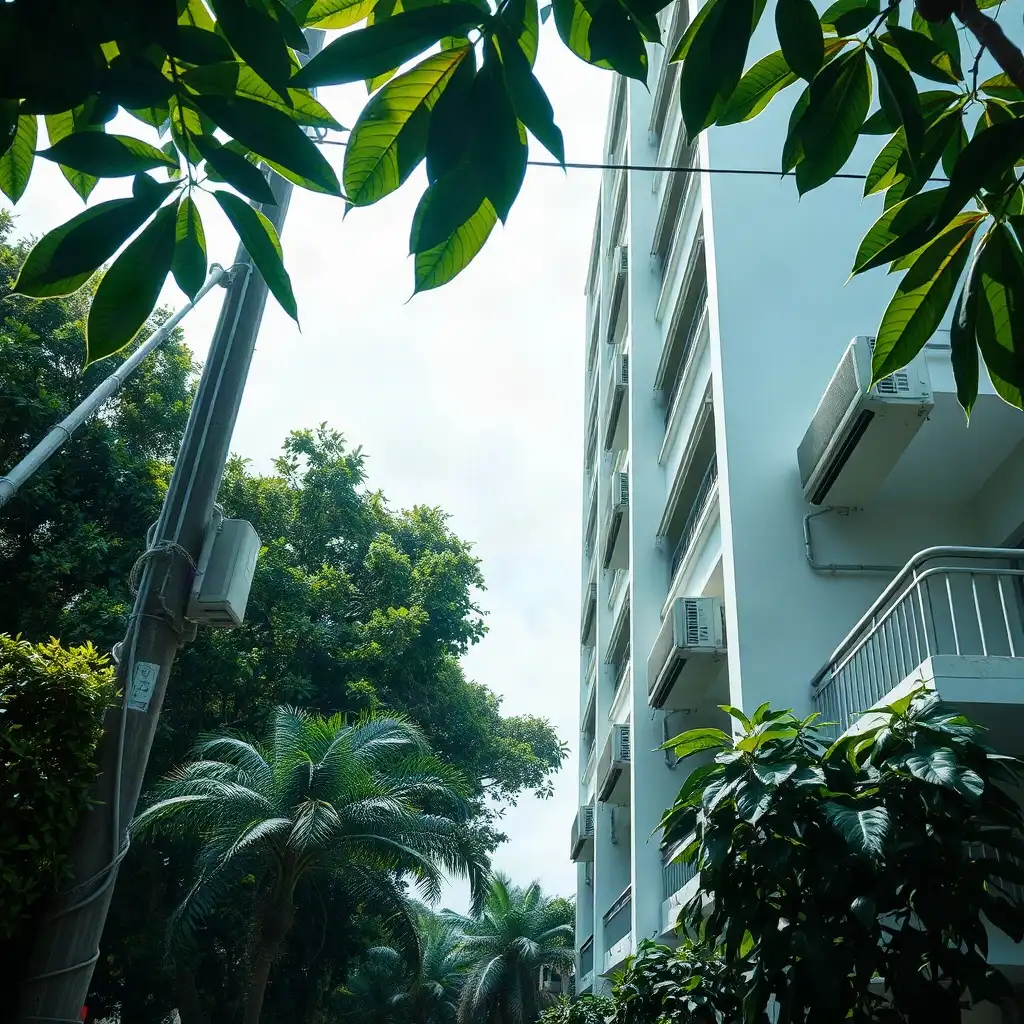
In Mont Kiara, high humidity makes air conditioning a challenge. With levels often between 75% and 85%, units must cool the air and remove moisture. This increases energy use and reduces cooling efficiency. Homeowners frequently turn down thermostats without success because high humidity prevents sweat from evaporating, leaving them sticky and uncomfortable.
High Humidity's Impact on Air Conditioning
In Mont Kiara, high humidity significantly impacts air conditioning systems. With humidity levels often between 75% and 85%, these units must cool the air while removing moisture. This challenge can hinder even efficient systems from providing comfort. When indoor humidity exceeds comfortable levels, residents may find their cooling systems unable to keep up, resulting in an environment that feels less refreshing.
Energy Consumption and Wear
The struggle against high moisture increases energy use and strains components like compressors. These machines are designed for efficiency, when focused on dehumidifying instead of just cooling, they work harder than expected. This increased demand can lead to more frequent maintenance, compressors may require servicing sooner than those in drier areas, leaving homeowners uncomfortable despite investing in climate control solutions.
Compressor Workload Due to Humidity
The humidity in Mont Kiara strains air conditioning units, requiring them to cool and remove moisture simultaneously. When humidity levels reach 85%, compressors work hard, often running continuously without slowing down. This issue is particularly evident with non-inverter models that frequently cycle on and off because they cannot adjust their output based on conditions; they start and stop constantly. Such operation leads to higher energy bills and faster wear on essential parts, compressors may show signs of wear years earlier than those in drier areas. Homeowners face more frequent repairs while still feeling uncomfortable due to excessive moisture, which hinders air conditioning systems from maintaining cool temperatures.
The Pros & Cons of Humidity's Impact on Cooling
Pros
-
High humidity makes air conditioners better at removing moisture from indoor air, which increases comfort levels.
-
Inverter air conditioning units adjust compressor speeds, making them more energy-efficient and providing steady dehumidification.
-
Regular maintenance practices like cleaning filters often and getting professional servicing every 3 to 4 months can greatly enhance cooling effectiveness.
-
Setting the temperature between 24°C to 26°C helps save energy while keeping you comfortable.
-
Adopting simple user habits can lower your electricity bills by 15% to 25% in just the first month.
Cons
-
High humidity makes compressors work harder, focusing more on getting rid of moisture instead of cooling the air effectively.
-
Filters get clogged quicker because of sticky dust and haze, which can cut airflow and cooling efficiency by up to 15% each year if you don’t keep up with maintenance.
-
Using your system for long hours (8 to 12 hours a day) speeds up wear and tear on parts, leading to the need for more regular servicing compared to milder climates.
-
Mould can grow inside units, causing musty smells and reducing heat transfer efficiency. To fix this issue, professional chemical cleaning is needed every 12 to 18 months.
-
If an air conditioning unit isn’t sized correctly, it might either run all the time or short-cycle, which means it won’t control humidity levels properly.
Dust and Haze Effects on Filters
The mix of dust and haze in Mont Kiara makes air conditioning less efficient. Airborne particles become sticky due to humidity, causing them to adhere to filters. Homeowners may need to clean or replace their filters two to four times more often than those in drier areas. During haze episodes from June through October, this issue worsens as particulate matter enters homes, further limiting airflow in cooling systems.
Clogged filters block airflow and reduce heat exchange efficiency, forcing fans to work harder and wasting energy. This can cause air conditioners to operate at lower capacity; studies suggest that ignoring filter maintenance could cut cooling performance by up to 15% each year. Regular maintenance is crucial for residents seeking comfort during humid conditions: checking the system every couple of weeks is advisable during normal times and weekly during peak haze seasons helps maintain performance and extends lifespan against Mont Kiara’s tough climate.
Dust and Haze Impact
The presence of dust and haze significantly affects how well your air conditioner works.
Filter Maintenance Frequency
Homeowners may find themselves cleaning or replacing their filters two to four times more often compared with those in drier climates due to high humidity levels.
Airflow Restrictions
When particulate matter infiltrates homes during haze episodes (June through October), it restricts airflow within cooling systems further complicating the situation.
Efficiency Loss
Neglecting filter upkeep can lead air conditioners operating at reduced capacity; studies show that poor maintenance may decrease cooling performance by up to 15% annually.
Impact of Extended Air Conditioning Usage
Extended air conditioning usage in Mont Kiara brings challenges. Homeowners rely on cooling systems longer due to high humidity. Typically, AC units run for 8 to 12 hours daily, much more than the average 3 to 5 hours in cooler climates. This extended use causes equipment to wear out faster, increases energy consumption, and leads to dirt buildup inside the system, complicating maintenance. As air conditioners work hard against moisture levels that often exceed comfortable limits, components can fail earlier; records show compressors may need servicing two or three years sooner compared to those used in milder conditions.
Mould Growth Concerns
Constant operation raises concerns about mould growth within the units since damp environments are ideal for spores. Mould creates additional problems: it forms a layer over important parts like evaporator coils and blower wheels, reducing heat exchange efficiency and producing unpleasant smells that indicate a need for professional cleaning services. Homeowners should schedule regular maintenance every three to four months, not just basic upkeep but thorough inspections addressing internal issues caused by frequent use and humid weather common throughout much of the year.
Proactive Measures Needed
While residents look forward to staying cool during hot temperatures with constant AC use, they must remember this reliance requires proactive steps, including timely service appointments, to prevent long-term inefficiencies from Mont Kiara’s unique environmental challenges affecting indoor comfort.
Humidity's Hidden Impact on Cooling Efficiency
| Aspect | Description | Impact on Air Conditioning Efficiency | Recommendations for Improvement |
|---|---|---|---|
| Average Humidity Levels | 75% to 85%, among the highest worldwide | Increases workload of air conditioning units | Regularly clean filters every two weeks, or weekly during haze season |
| Temperature Range | Cooling from 32°C to 24°C, with humidity above 80% | Compressor works harder to reduce humidity | Set temperature between 24–26°C to optimize energy use |
| Daily Usage | 8 to 12 hours, significantly longer than temperate climates (3 to 5 hours) | Accelerates dirt and moisture accumulation | Schedule professional servicing every 3 to 4 months |
| Maintenance Needs | Compressors in Kuala Lumpur and Selangor need attention 2 to 3 years earlier than expected | Increased wear and tear on components | Professional cleaning recommended every 12–18 months for chemical wash |
| Mould Growth | Occurs on evaporator coils and blower wheels due to condensation | Degrades heat transfer efficiency | Run fan mode for 10 minutes after cooling to dry internal components |
| Filter Clogging | Dust and haze clogging air filters 3 to 4 times faster than in cooler climates | Reduces airflow, straining fan motor | Maintain proper clearance around indoor and outdoor units |
| Outdoor Unit Placement | Often exposed to direct sunlight; ambient temperatures can reach 40–45°C | Reduces efficiency of heat rejection | Ensure at least 50 cm clearance around indoor units, 30 cm around outdoor units |
| Sizing of Units | Undersized units run continuously, oversized units short-cycle | Both lead to inefficient dehumidification | Proper sizing according to room dimensions and sun exposure is essential |
| Cost Savings | Regular maintenance and optimal settings can save RM30–60 per month | Reduces electricity bills by 15–25% within the first month | Utilize timers to pre-cool rooms before sleeping |
Mould Growth Inside Air Conditioners
Humidity encourages mould growth in air conditioning units, particularly on evaporator coils and damp areas where condensation accumulates. In Mont Kiara’s climate, this occurs frequently as cooling systems must lower temperature and remove moisture effectively. Mould buildup acts as an insulator, reducing heat transfer efficiency. Compressors run longer for minimal cooling benefit, while musty odors indicate potential health issues and the need for maintenance.
Mould not only reduces performance but can also lead to costly repairs if ignored. Regular cleaning is crucial; without professional help familiar with tropical climates and their challenges, issues can escalate quickly. Scheduling deep cleans annually helps maintain system performance and extends its lifespan against humidity pressures in Mont Kiara’s seasons. A proactive approach prevents small inconveniences from becoming major discomforts that affect indoor living conditions when outdoor moisture levels are high.
Understanding Humidity’s Role
Humidity plays a key role in how air conditioning systems operate, particularly regarding mould development.
The Importance of Regular Maintenance
Regular upkeep is essential to ensure your unit runs efficiently and lasts longer despite challenging environmental factors.
Signs You Need Professional Help
Be aware of warning signs like unpleasant smells or reduced cooling efficiency, these may point to underlying issues requiring expert attention.
Challenges with Outdoor Unit Placement
The placement of outdoor air conditioning units in Mont Kiara presents challenges that can reduce cooling efficiency. Many homes have these units installed in direct sunlight, causing the temperature around the condenser to rise, often hitting 40–45°C during peak hours. This heat makes it harder for the unit to release heat properly, forcing compressors to work harder to keep indoor spaces comfortable. Leaves and dust often gather around the outdoor unit, blocking airflow vital for proper function.
To operate efficiently and lower energy losses, maintaining at least a 30 cm clearance around these units is important.
Improper Installation and Maintenance
Improper installation or lack of maintenance adds complications. When systems aren’t set up correctly or face obstacles, like overgrown plants, they encounter airflow problems that worsen humidity issues indoors. As homeowners try to manage high moisture levels inside, addressing outdoor unit placement becomes crucial for boosting long-term efficiency and performance. Regularly checking for debris buildup and ensuring proper positioning concerning sun exposure will improve overall system reliability while minimizing effects linked with Mont Kiara’s humid climate without needing frequent repairs or service calls later on.
Humidity's Hidden Impact on Cooling Comfort
-
In Mont Kiara, air conditioning units not only cool the air but also remove moisture. High humidity can affect comfort when cooling a space.
-
Setting the thermostat to a lower temperature does not improve cooling efficiency. Turning it down too low can increase electricity usage without cooling the room faster.
-
Air conditioners do not work well regardless of outdoor conditions. High outdoor temperatures can hinder heat rejection for units outside, making placement and spacing important.
-
Not all air conditioning systems handle humid climates equally. Inverter models manage continuous dehumidification better than non-inverter models, which often struggle with humidity control.
-
Regular maintenance, like cleaning filters, is essential for smooth operation. In Mont Kiara's humid climate, clogged filters reduce airflow and cooling effectiveness unless cleaned regularly.
Importance of Correct Air Conditioner Sizing
Choosing the right size for an air conditioning unit is crucial in Mont Kiara, where humidity impacts home comfort. A unit that’s too small will struggle to meet cooling needs, running constantly to combat heat from walls and windows. This operation raises energy bills and wears out components faster. A unit that’s too big will cycle on and off quickly without effectively lowering humidity levels, leaving residents feeling cold yet sticky.
To prevent these problems, it’s essential to size your AC system properly by considering room size and sunlight exposure, as both cooling and dehumidifying are key for comfort in Mont Kiara’s tropical climate.
Using accurate sizing methods helps ensure systems work well under typical local conditions without stressing compressors or degrading air quality due to poor moisture management. Customized solutions are necessary; homeowners should consult HVAC experts who understand how specific elements within Mont Kiara’s environment influence overall performance, focusing on long-term efficiency while improving comfort during humid periods when reliance on air conditioning increases.
User Maintenance Tips for Efficiency
Regular maintenance is essential for keeping air conditioning systems running efficiently in Mont Kiara’s humid climate. Homeowners should establish a routine that includes cleaning filters every two weeks, increasing to weekly during haze periods. This prevents dust buildup, which limits airflow and reduces cooling effectiveness.
Setting the thermostat between 24°C and 26°C balances comfort and energy use; each degree lower than 24 raises electricity consumption by about 3-5%. Keeping doors and windows closed prevents warm, moist air from entering. Maintaining at least 50 cm of clearance around indoor units improves airflow.
After using the cooling function, switch on fan mode for about ten minutes to dry out internal components, reducing mould risks. Using timers can boost efficiency; pre-cooling spaces before bedtime or limiting operation during cooler overnight hours enhances performance without high energy costs.
Professional Servicing
To extend your system’s life in Mont Kiara’s tough conditions, it’s recommended to have professional servicing every three to four months. This includes thorough inspections that address cleanliness issues caused by humidity exposure throughout much of the year, ensuring continued comfort indoors.
These practical steps enhance immediate cooling results and protect homeowners’ investments against potential breakdowns due to high moisture challenges typical in this tropical environment.
Maximizing Air Conditioning Efficiency in Humidity
Humidity in Mont Kiara presents challenges that lead homeowners to rethink air conditioning use. One effective approach is the “Dry Mode” feature on many modern units, which removes moisture without excessively cooling the room. This mode improves comfort by addressing humidity while maintaining a stable temperature, ideal for muggy days. Homeowners using this setting may feel more comfortable without incurring high energy bills.
Smart Thermostats and Control Systems
Investing in smart thermostats or advanced control systems helps monitor and adjust indoor conditions based on real-time data about outside humidity levels. By combining these technologies with existing HVAC setups, users can automate settings that optimize cooling and dehumidifying processes according to changing environmental factors. This proactive management boosts comfort and reduces unnecessary wear on equipment from constant operation at peak loads.
Enhancing Airflow
Improving airflow throughout living spaces is crucial; using ceiling fans or portable oscillating fans strategically helps circulate cool air when paired with air conditioning systems. These methods work with primary cooling efforts by distributing conditioned air evenly across rooms, balancing temperatures and combating sticky feelings caused by trapped moisture near windows and walls where heat tends to build up during humid times. As residents adapt their strategies based on local climate realities, they gain greater control over their home environment while ensuring their AC units operate efficiently amid Mont Kiara’s challenging atmosphere.
FAQ
What are the main challenges of air conditioning in Mont Kiara's humid climate?
In Mont Kiara, high humidity (75%-85%) strains air conditioning systems, leading to faster wear and reduced efficiency; regular maintenance every 3 to 4 months is essential.
How often should homeowners service their air conditioning units in tropical conditions?
Homeowners in Mont Kiara should service their air conditioning units every 3 to 4 months for efficiency and to address tropical climate challenges.
What practices can residents adopt to improve air conditioning efficiency without incurring costs?
Residents in Mont Kiara can enhance air conditioning efficiency for free by cleaning filters biweekly, setting temperatures between 24°C to 26°C, keeping doors and windows closed, running fan mode after cooling, and using timers, potentially saving RM30–60 monthly.
How does humidity affect the perceived cooling effectiveness of air conditioners?
High humidity makes air conditioners work harder, reducing their effectiveness in cooling and removing moisture.