
Identify Causes of Frequent AC Cycling Mont Kiara
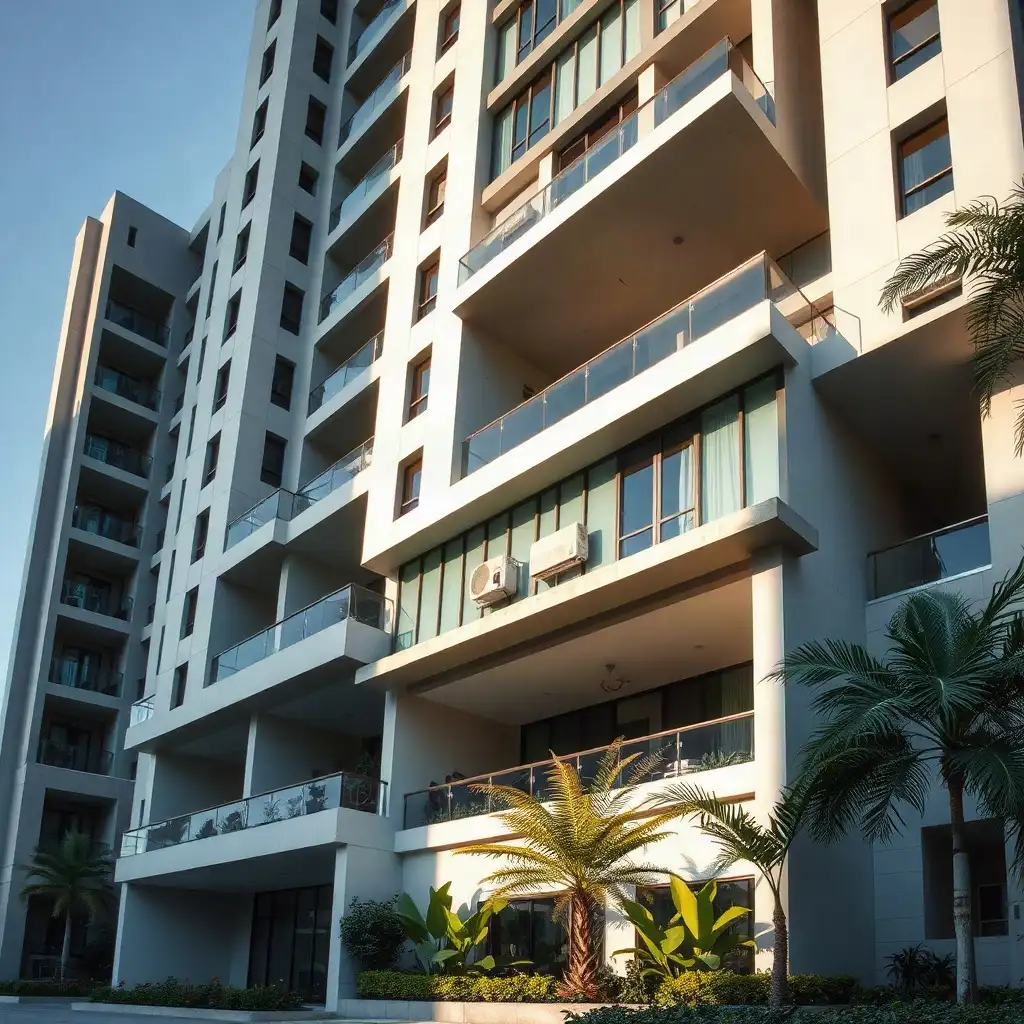
Frequent cycling of air conditioning units in Mont Kiara is a problem caused by several factors. Humidity levels often rise to between 75% and 85%, making it tough for AC systems to cool and dehumidify indoor air. This demand stresses compressors. An improperly sized unit, too small or too large, worsens this issue by forcing the system to work inefficiently. Poor installation practices lead to problems like incorrect refrigerant charging and insufficient airflow. Homeowners need to pay attention to usage habits since setting thermostats too low or leaving doors open can increase how often the AC cycles on and off. By recognizing these causes, residents can improve their HVAC system’s performance in Mont Kiara’s climate.
Impact of Malaysian Climate on AC Cycling
The tropical climate in Mont Kiara poses challenges for air conditioning systems due to high humidity levels year-round. With relative humidity often between 75% and 85%, AC units must cool the air and effectively remove moisture. This dual task strains compressors, especially in non-inverter models. As these systems work hard to remove moisture, they cycle on and off more frequently, leading to extra wear on components and potential long-term issues.
Improper Sizing Issues
In this environment, choosing the wrong size for an AC unit exacerbates cycling problems. An undersized unit runs continuously but fails to make the home comfortable; conversely, an oversized unit cools too quickly without removing enough humidity before shutting off. The result is often a damp feeling indoors, indicating that both over- and under-sized equipment are inefficient. Homeowners should consider these factors when selecting an HVAC system in Mont Kiara to reduce frequent cycling while ensuring energy efficiency and comfort.
Importance of Correct AC Sizing
Choosing the right size for an air conditioning unit is key to ensuring it works well, especially in a humid place like Mont Kiara. An incorrectly sized unit can cause significant problems. A unit that’s too small will struggle to cool the space effectively and will run continuously without providing comfort. An oversized AC cools a room quickly but fails to dehumidify properly before shutting off, leading to discomfort and dampness.
Both scenarios result in higher energy bills and increased stress on the system due to frequent cycling. Homeowners should consult HVAC professionals who can accurately assess their cooling needs based on room dimensions, layout, insulation quality, and window placement. This ensures they select systems that operate efficiently, improving comfort and extending equipment life in Mont Kiara’s tough climate.
Selecting the Right Size of Air Conditioning Unit
Choosing an appropriate size for your air conditioning unit is critical for its performance.
Problems with Improper Sizing
When units are not appropriately sized, homeowners face significant issues related to cycling patterns.
Importance of Professional Assessment
Consulting HVAC professionals ensures accurate evaluations tailored to individual cooling requirements.
The Pros & Cons of AC Cycling Solutions
Pros
-
Properly sizing your AC units helps with cooling and dehumidifying, reducing unnecessary cycling.
-
Inverter technology saves 30–50% on electricity compared to non-inverter models, which boosts energy efficiency.
-
Regular maintenance like cleaning the filter every two weeks can extend your system's lifespan and improve how well it works.
-
Hiring certified technicians for installation keeps operational inefficiencies and potential issues to a minimum.
-
Keeping thermostat settings between 24–26°C strikes a good balance between comfort and saving energy.
-
Upgrading to high-efficiency inverter units can lead to significant long-term savings on energy bills.
Cons
-
If your air conditioning unit cycles frequently, it might signal issues like compressor wear or refrigerant problems that could lead to expensive repairs.
-
Non-inverter systems usually last shorter and come with higher maintenance costs because they experience more mechanical stress from cycling.
-
A poor installation can cut efficiency by up to 30%, making cycling problems worse.
-
In humid conditions, users may feel uncomfortable if oversized units turn off too quickly without properly removing moisture from the air.
-
Ignoring maintenance increases the chances of breakdowns and reduces cooling performance over time.
-
The high initial cost of inverter technology might discourage some buyers, even though it offers savings in the long run.
Role of Professional Installation
A major factor that affects air conditioning systems’ performance and longevity in Mont Kiara is installation quality. Properly installed AC units operate efficiently, while poor installation can cause frequent cycling. Common mistakes include incorrect refrigerant charging and inadequate pipe insulation, which reduce energy efficiency and stress the system.
Issues from poor installation extend beyond inefficiency. Improperly sloped drainage pipes can lead to leaks, and faulty electrical connections may cause malfunctions or safety risks. Many homeowners overlook these problems, prioritizing cost over quality during installations. Hiring a skilled technician ensures that every detail, from placement to wiring, is handled according to industry standards. Faulty electrical connections can also lead to power-trip diagnosis when the system starts or stops repeatedly.
Importance of Professional Installation
In Mont Kiara’s climate, with high humidity levels straining cooling systems, professional help is essential. An experienced HVAC technician considers factors like airflow patterns and unit positioning relative to sunlight, both crucial for optimal performance in local weather. Their expertise helps prevent premature cycling caused by excessive heat around the outdoor condenser or limited indoor airflow due to poorly placed ductwork.
Long-term Benefits of Quality Work
Investing in quality installation pays off through better comfort and fewer repairs. Homeowners should verify certifications from reputable companies that adhere to strict guidelines set by regulatory bodies like SIRIM and JKKP when selecting technicians for HVAC projects. This step protects against inefficient operation patterns typical of poorly installed systems while ensuring functionality and compliance with local standards.
Maintenance Habits to Minimize Cycling
Routine maintenance is crucial for reducing the frequent cycling of air conditioning units in Mont Kiara. Homeowners should prioritize regular upkeep to ensure their systems operate efficiently and last longer. One key task is keeping air filters clean; neglecting this can cause blockages that restrict airflow, forcing the compressor to work harder. In humid climates like Malaysia’s, dust and moisture accumulate quickly, so homeowners should check their filters every two weeks. Running the fan mode occasionally after cooling sessions also helps prevent mould growth on evaporator coils, a common issue in high-humidity areas.
Benefits of Consistent Maintenance
Consistent maintenance not only reduces AC cycling but also improves overall system efficiency and comfort at home. Scheduling professional servicing every three to four months is advisable, as technicians can conduct thorough inspections and address potential problems before they lead to costly repairs or replacements. This proactive approach lessens wear on components while optimizing energy use, important when electricity costs are a concern due to heavy reliance on AC systems year-round. By developing good maintenance habits and hiring skilled professionals for periodic checks, homeowners can significantly reduce unwanted cycling while enjoying a cooler living environment during Mont Kiara’s hot seasons.
Key Factors Behind AC Cycling Issues
| Cause of AC Cycling | Description | Impact on Performance | Recommended Solutions | Maintenance Frequency | Notable Brands/Products |
|---|---|---|---|---|---|
| Climate Impact | High humidity (75%-85%) increases AC workload, leading to frequent cycling. | Compressor runs almost non-stop, stressing components. | Use inverter units for better humidity management. | Regular checks during humid months | Daikin, Panasonic, Mitsubishi, Midea |
| Improper Unit Sizing | Undersized units run continuously; oversized units cycle off prematurely. | Both scenarios waste energy and increase wear. | Ensure proper sizing based on room dimensions. | Initial assessment upon installation | York, Acson |
| Installation Quality | Poor installation can cause inefficiencies due to refrigerant charge issues, insulation problems, etc. | Efficiency reduced by up to 30%. | Engage qualified technicians for installation. | Post-installation inspection | AircondCare.my |
| Maintenance Issues | Dirty filters and mould growth restrict airflow, forcing compressors to work harder. | Increased cycling frequency due to airflow blockage. | Clean filters every 2 weeks; professional servicing every 3-4 months. | Every 2 weeks for filters; quarterly for service | |
| Environmental Factors | Placement of the outdoor unit in direct sunlight or obstructed airflow affects performance. | Causes compressor overwork and cycling. | Position units in shaded areas with good airflow. | Check placement during installation | |
| User Habits and Settings | Low temperature settings (16-18°C) and frequent openings of doors/windows increase load on AC. | Extended runtime leads to more cycling. | Maintain a steady temperature between 24-26°C. | Daily monitoring of settings | |
| Inverter vs Non-Inverter Tech | Non-inverter units cycle on/off; inverter units adjust speed, reducing cycling. | Inverters offer 30-50% electricity savings and quieter operation. | Consider upgrading to inverter models for efficiency. | Evaluate after 6-8 years of use | Daikin, Panasonic, Mitsubishi, Midea |
| Potential Repairs | Frequent cycling may indicate compressor wear or refrigerant issues, especially in non-inverter units. | May require repairs or replacement within 6-8 years. | Replace units older than 8-10 years with high-CSPF rated inverter units. | As needed based on performance |
User Practices Influencing AC Cycling
User practices significantly influence how often AC units cycle in Mont Kiara. A common mistake is setting the thermostat to a low temperature, like 16–18°C. While this may provide initial relief from heat, it leads to longer runtimes and higher energy usage, about 3–5% more for every degree below the comfortable range of 24°C. Leaving doors and windows open allows warm, humid air into homes, forcing the unit to work harder to maintain set temperatures.
Homeowners should aim for a steady thermostat setting between 24–26°C and keep doors closed when running cooling systems.
Efficiency Tips
Using features like timers or sleep modes can boost efficiency by allowing ACs to run less during off-peak hours or overnight when it’s cooler outside. Regularly checking habits matters too; consulting with HVAC professionals can help optimize system performance based on personal usage patterns and Mont Kiara’s unique climate conditions. By making smarter settings choices and being mindful of daily routines around air conditioning use, homeowners can reduce unnecessary cycling while enhancing comfort in their living spaces.
Environmental Factors Affecting Performance
The performance of air conditioning units in Mont Kiara is influenced by several environmental factors. One important factor is the placement of outdoor condenser units and their exposure to direct sunlight, especially during hot afternoons when temperatures reach 40–45°C. This heat makes it harder for the unit to release warm air effectively, causing the compressor to work overtime and cycle frequently to maintain indoor comfort.
Obstructions
leaves or debris near indoor or outdoor components block airflow, reducing efficiency and putting extra stress on the system. Homeowners should regularly check these areas for blockages, simple cleaning can improve airflow and reduce unnecessary cycling while saving energy.
Local Geography
local geography matters; buildings surrounded by taller structures may experience altered wind patterns that affect cooling effectiveness. These details highlight the importance of maintaining optimal conditions around AC systems, not just for immediate comfort but also for long-term efficiency in Mont Kiara’s challenging climate dynamics.
Unveiling AC Cycling Myths and Facts
-
Many in Mont Kiara think setting the thermostat to a low temperature cools homes faster. This can lead to higher energy bills and cause the AC unit to turn on and off more often.
-
It’s a common belief that all air conditioners work equally well in humid conditions. In reality, non-inverter units struggle with humidity, causing them to cycle on and off too much because they can't effectively remove moisture.
-
Some believe any size air conditioner will suffice for their space. Undersized units run constantly without cooling sufficiently, while oversized units shut off too quickly and don’t remove enough humidity.
-
Many think an air conditioning unit requires little maintenance after installation. Regular upkeep is essential; for example, cleaning filters every two weeks is important in humid areas like Klang Valley to prevent airflow problems and reduce cycling frequency.
-
Many assume placing the outdoor condenser unit in direct sunlight won’t affect performance. High outdoor temperatures can hinder heat release from the compressor, making it work harder and cycle more frequently, affecting overall efficiency.
Inverter Vs Non-inverter Air Conditioners
In evaluating the differences between inverter and non-inverter air conditioning systems, homeowners in Mont Kiara need to consider how each type affects cycling frequency and overall efficiency. Non-inverter units switch between full compressor speed and being off, leading to frequent starts and stops that can cause wear over time. In contrast, inverter models use variable-speed compressors that adjust output based on cooling needs, allowing for consistent temperature control with less cycling, enhancing comfort and significantly reducing energy consumption, savings often seen within 1–3 years after installation due to lower electricity bills. If cycling appears with airflow or coil symptoms, freeze-up symptoms planning gives another condition to check.
Humidity Management
the advantages extend beyond cost savings; inverter ACs excel at managing humidity by maintaining steady moisture levels without large temperature swings. For residents in Mont Kiara’s tropical climate, this feature is vital for comfort and system longevity. While the upfront cost of an inverter may be higher compared to a non-inverter from brands like Daikin or Panasonic, the long-term benefits include improved reliability and reduced maintenance needs, important factors given Malaysia’s challenges with HVAC systems amid constant heat and humidity. Choosing a properly sized inverter unit is essential for reducing frequent cycling while ensuring effective operation over time.
Addressing Frequent AC Cycling in Mont Kiara
Addressing frequent AC cycling in Mont Kiara requires understanding its causes. Homeowners must realize that managing high humidity is as crucial as controlling temperature. Systems need to cool and effectively remove moisture from indoor air; otherwise, they will struggle in tropical climates. Selecting the right-sized units is essential, an improperly matched unit can cause discomfort and inefficiency due to poor moisture removal or excessive energy use. When cycling is only one symptom, fault overview checks helps widen the first fault check.
Installation Quality
Good installation is vital to avoid issues like incorrect refrigerant charges or inefficient airflow paths that worsen cycling. Homeowners should hire qualified professionals who follow industry standards and understand local climate challenges. Regular maintenance keeps systems running longer by ensuring clean filters and properly functioning components, preventing unnecessary stress on the compressor while boosting energy efficiency.
User Habits
User habits are also significant; simple changes like setting thermostats between 24–26°C can reduce wear on systems while keeping living spaces comfortable. By understanding their air conditioning needs in Mont Kiara’s unique environment, including choosing inverter models when appropriate, homeowners can protect against common issues related to frequent AC cycling, promoting comfort and sustainability throughout the year.
FAQ
What are the main causes of frequent AC cycling in Mont Kiara?
Frequent air conditioner cycling in Mont Kiara is mainly due to high humidity, incorrect sizing, poor installation, lack of maintenance, user habits, and technology choice.
How does Malaysia's tropical climate affect air conditioning systems?
Malaysia’s high average humidity levels of 75–85% strain air conditioning systems, causing increased energy consumption.
What are the consequences of improper AC unit sizing?
Improper AC unit sizing leads to inefficiency: a small unit runs constantly without cooling, while an oversized unit shuts off too soon, causing poor dehumidification and higher energy costs.
Why is professional installation important for HVAC systems?
Professional installation is crucial for HVAC systems as it meets industry standards, optimizes performance, reduces efficiency losses, and extends equipment lifespan.
How often should homeowners perform maintenance on their AC units?
Homeowners in Mont Kiara should check their AC units every 3 to 4 months and clean the filters every two weeks for efficient operation in the humid climate.
What advantages do inverter ACs have over non-inverter models?
Inverter air conditioners save 30–50% on energy costs, improve dehumidification, operate quietly, and extend compressor lifespan by reducing mechanical stress.