Refrigerant Recharge and Leak Detection
Key Takeaways
- This service is centred on checking low refrigerant symptoms and finding the reason a cooling system has lost charge, with the work matched to the equipment and property.
- A clear description of the symptom, access and operating pattern helps the first assessment start in the right place.
- The next step may be repair, maintenance, testing or replacement planning rather than one automatic solution.
Refrigerant Recharge & Leak Detection
Refrigerant Recharge & Leak Detection in Mont Kiara should start with the actual symptom, the equipment involved and the way the room or business is used. The service is relevant to checking low refrigerant symptoms and finding the reason a cooling system has lost charge. A short enquiry that explains what changed, when it changed and whether the unit is still operating gives a more useful starting point than simply saying that the air conditioner is not working.
The aim is to match the work to the problem. A recharge should follow a proper inspection because adding refrigerant without addressing a leak can provide only short-lived improvement. That may mean a targeted repair, a planned inspection, a replacement discussion or a follow-up test. Clear service information helps a homeowner or property manager decide what needs attention now and what can be planned around access and budget.
When This Service Is Needed
People usually start looking for this service after noticing ice on pipework, longer run times, weak cooling, hissing, oil marks around joints or a system that has needed repeated top-ups. A symptom is not always a diagnosis. For example, weak cooling can be caused by restricted airflow, a dirty coil, a refrigerant issue, room demand or a mechanical fault. A tripping system can involve the unit, its controls or the wider electrical supply. The useful first step is to record the behaviour without repeatedly forcing a failing system to run.
In Mont Kiara, condominium balconies, concealed pipe runs, shop ceilings and exposed outdoor units can make inspection access an important part of the work. That local context can affect appointment timing, building permission and the way equipment is reached. If the problem is in a business, note whether it happens only during busy hours. If it is in a home, note the affected rooms and whether other units behave normally. Specific observations make the eventual inspection more efficient.
What the Assessment Should Cover
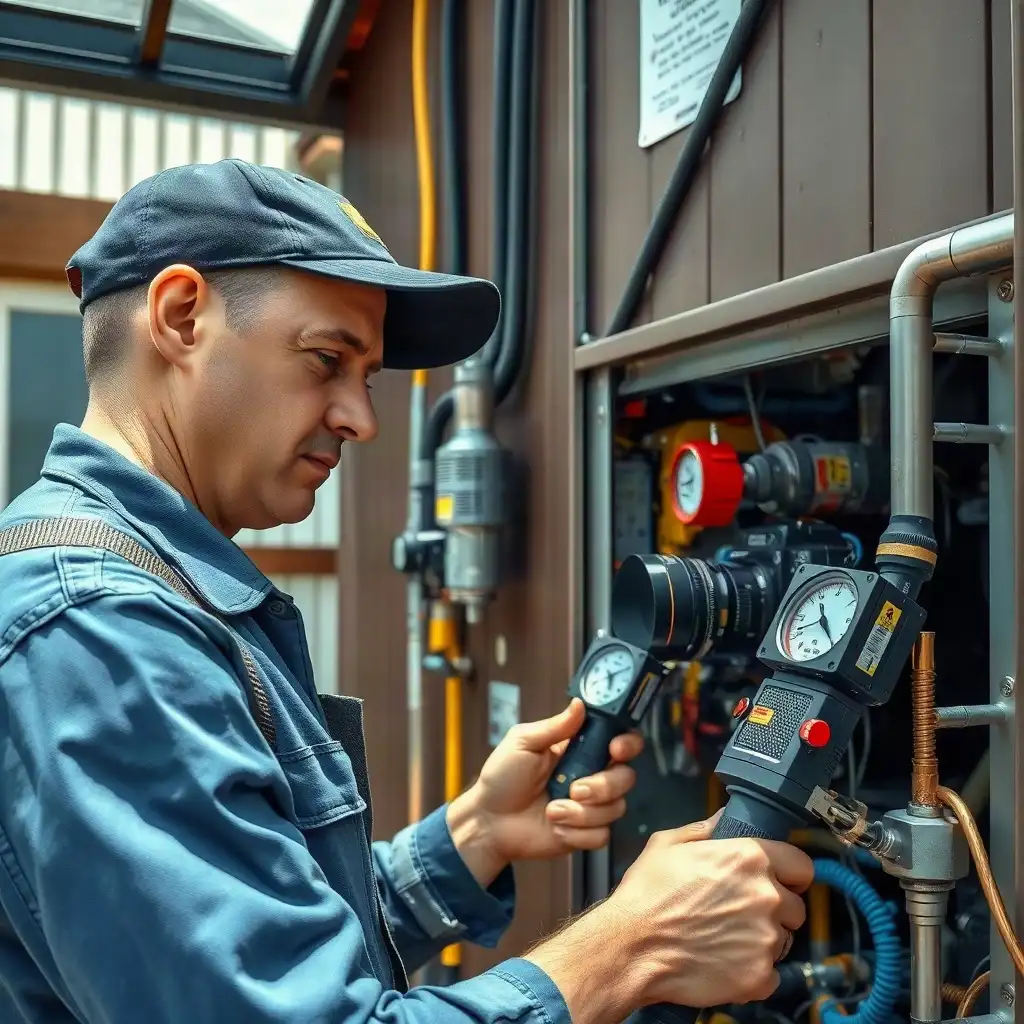
A practical assessment considers the refrigerant type, pressure readings, accessible joints, coil condition, leak-test options, repair scope and safe recommissioning of the unit. It should also confirm the model or equipment type, the reported operating pattern and any previous work. Depending on the service, checks may include airflow, filters, coils, drains, electrical connections, fan operation, pipework or the outdoor unit. The checks should be proportionate to the symptom and explained in ordinary language. Refrigerant work should be considered alongside electrical fault guidance when electrical symptoms are also present.
The outcome should separate immediate safety or comfort concerns from longer-term improvements. A repair may restore operation, while maintenance can address dirt or drainage and an installation review can solve a capacity or access problem. A clear explanation of the findings helps the customer compare the next steps instead of choosing work without understanding the reason for it.
Homes, Condos and Small Businesses
This service can look different across Mont Kiara properties. A condominium may involve a balcony condenser, a management contact and limited working space. A landed home may have several indoor units, longer pipe runs or equipment at the side of the building. A small office, café or shop may need the work scheduled around staff, customers and operating hours.
Those differences are why a useful enquiry includes the property type and any access limitation. Condominium balconies, concealed pipe runs, shop ceilings and exposed outdoor units can make inspection access an important part of the work The service provider can then plan the visit around the actual space rather than assume that every split system is installed in the same way. For more than one unit, list which rooms or zones have the symptom and whether the problem is consistent.
Preparing for the Next Step
Before arranging refrigerant recharge & leak detection, keep the model information, recent service history and a short description of the symptom available. Photographs of the indoor unit, outdoor unit, water mark, error display or pipe area may help explain the issue, but they do not replace an inspection. Do not remove covers or work on live electrical parts to investigate a fault.
If the equipment is still running, describe whether it cools at all, how long it takes and whether the issue changes with the time of day. If it has stopped, say whether there was a smell, noise, leak or breaker trip. These details help the team decide whether to begin with diagnosis, maintenance, a repair or an installation conversation.
Clear Work and Follow-Up
A good service outcome is not only the task itself. It includes a clear account of what was observed, what was adjusted or repaired, and what should be watched afterwards. For refrigerant recharge & leak detection, that may include checking the system under normal load, confirming airflow or drainage, explaining a component recommendation or recording a future maintenance need.
Customers should be able to understand which work is urgent, which work is recommended and which improvements can wait. This is particularly useful for property managers and small businesses that need to coordinate more than one room or tenant. A simple follow-up record also makes recurring faults easier to identify and helps avoid repeating the same diagnosis without context.
Request Air Cond Support in Mont Kiara
If you need refrigerant recharge & leak detection in Mont Kiara, use the enquiry form to share the property type, affected unit or room, symptoms, timing and access details. Mention whether the request is urgent or planned. That gives MK AC a practical starting point for discussing checking low refrigerant symptoms and finding the reason a cooling system has lost charge. The next step after leak or charge testing may be covered by broader repair guidance rather than a recharge alone.
The right next step depends on the equipment and the situation. A careful local assessment can help restore comfort, plan maintenance or establish whether replacement work is sensible. The useful goal is not to promise the same answer for every property; it is to make the route from symptom to action clear.
FAQ
What should I include when asking about refrigerant recharge & leak detection?
Include the property type, affected room or unit, main symptom, when it began and any access or timing restriction.
Can the system be inspected before repair work is recommended?
Yes. The assessment should establish the likely cause and explain the sensible options before work is agreed.
Should I keep running an air conditioner with a burning smell or repeated trip?
No. Isolate it when safe and request qualified assistance rather than opening electrical covers or repeatedly resetting the breaker.
Do you work with small commercial properties as well as homes?
The service information is intended for homes, condominiums and small commercial spaces, with timing and access considered for each property.